Geelong’s most exciting projects and properties.
Hamilton Group is an award-winning commercial building company specialising in construction, fitouts, property and leasing.
Hamilton Group is an award-winning commercial building company specialising in construction, fitouts, property and leasing.
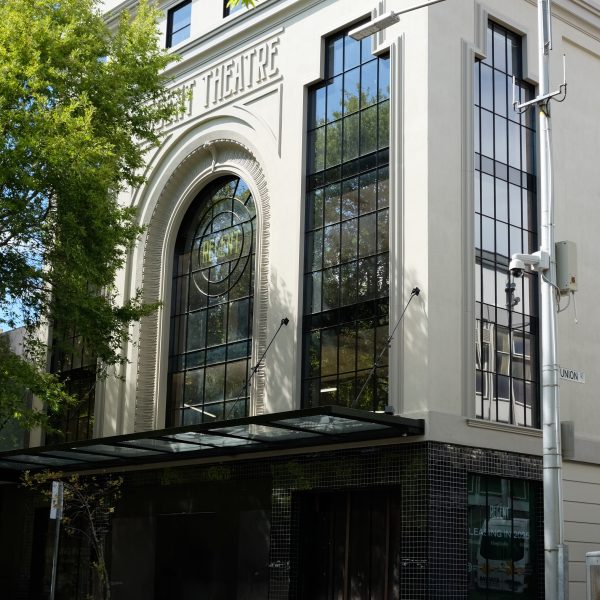
The Reinvention of an Icon.
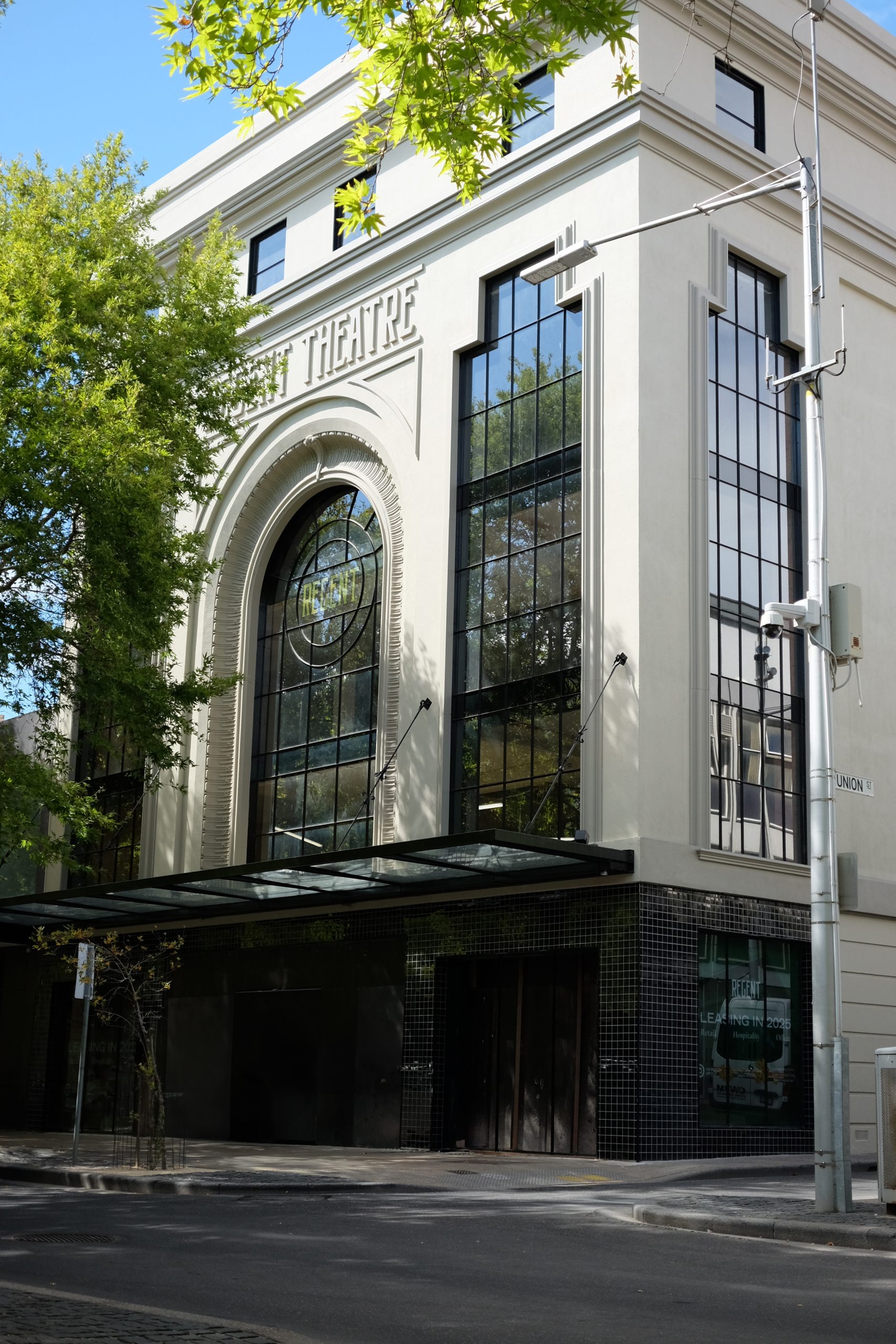
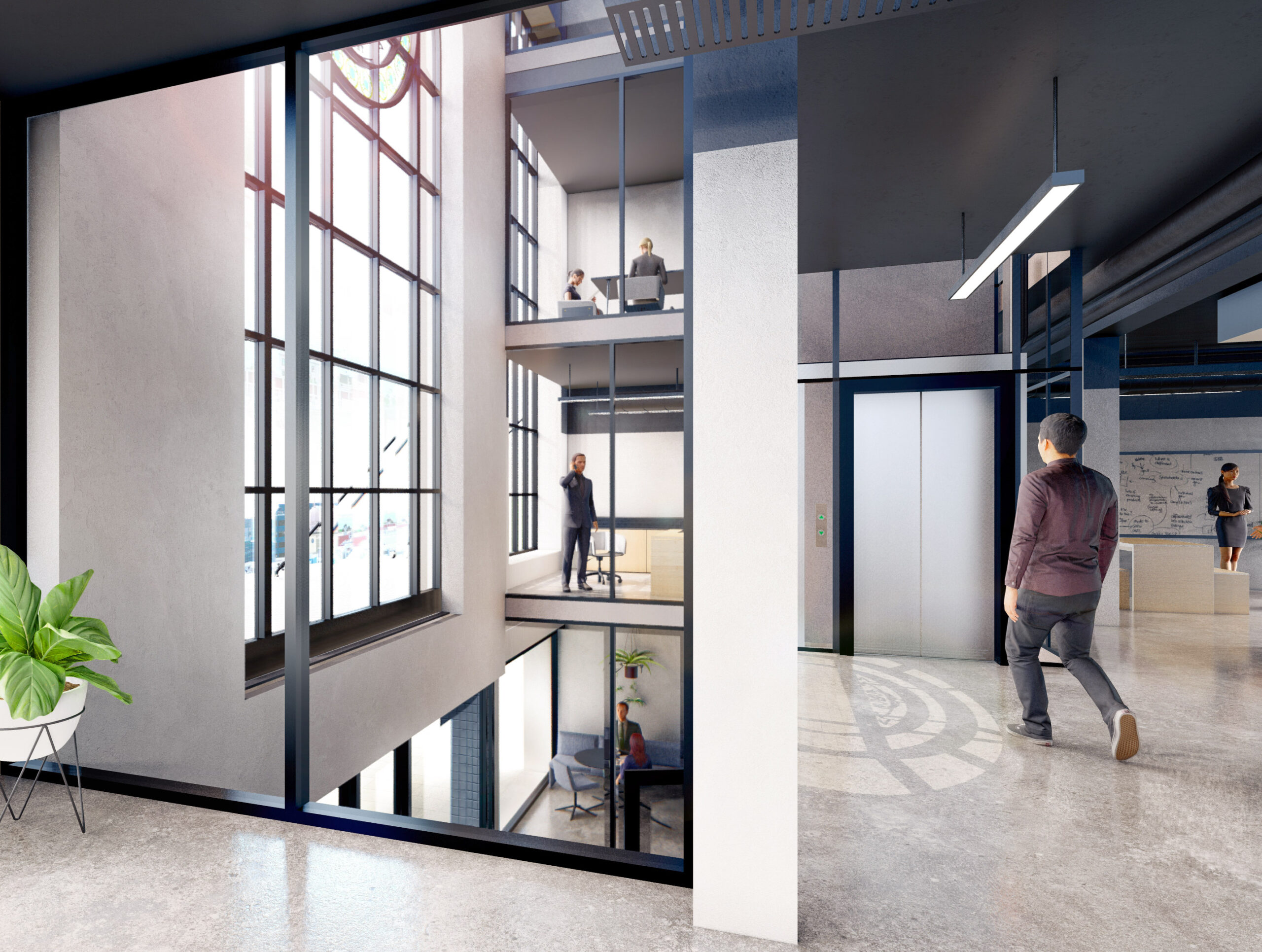
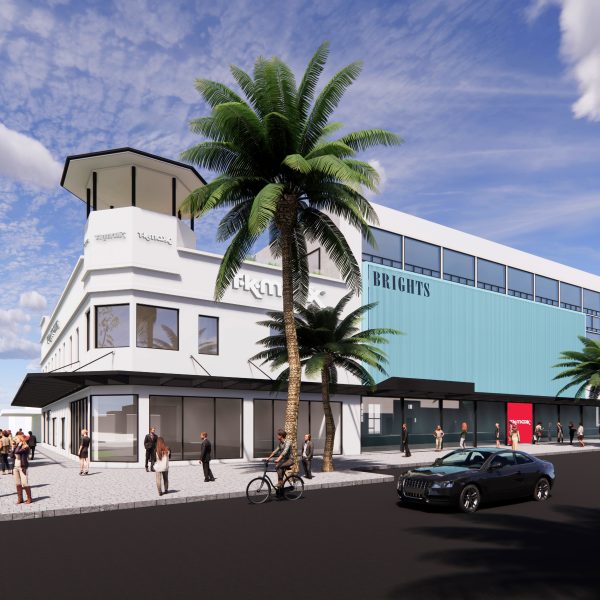
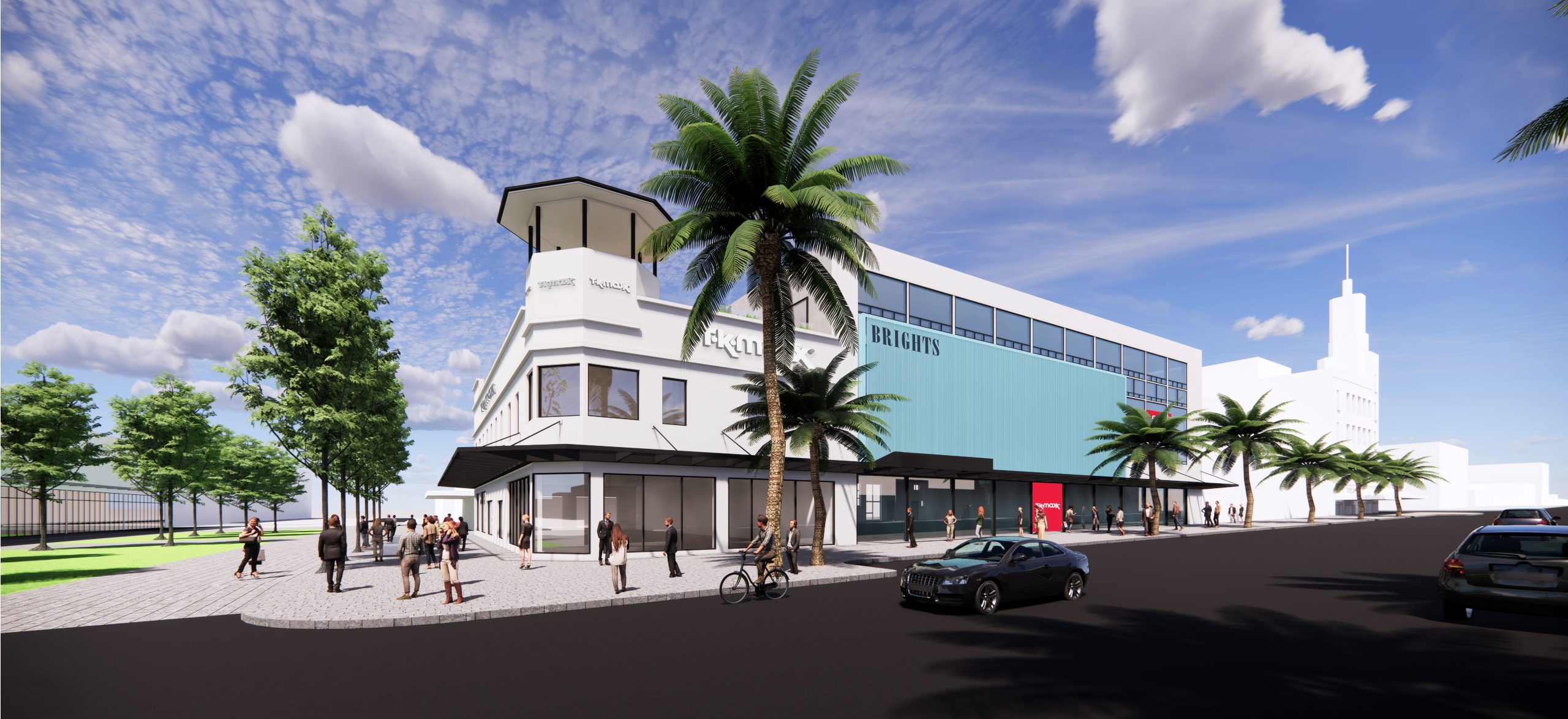
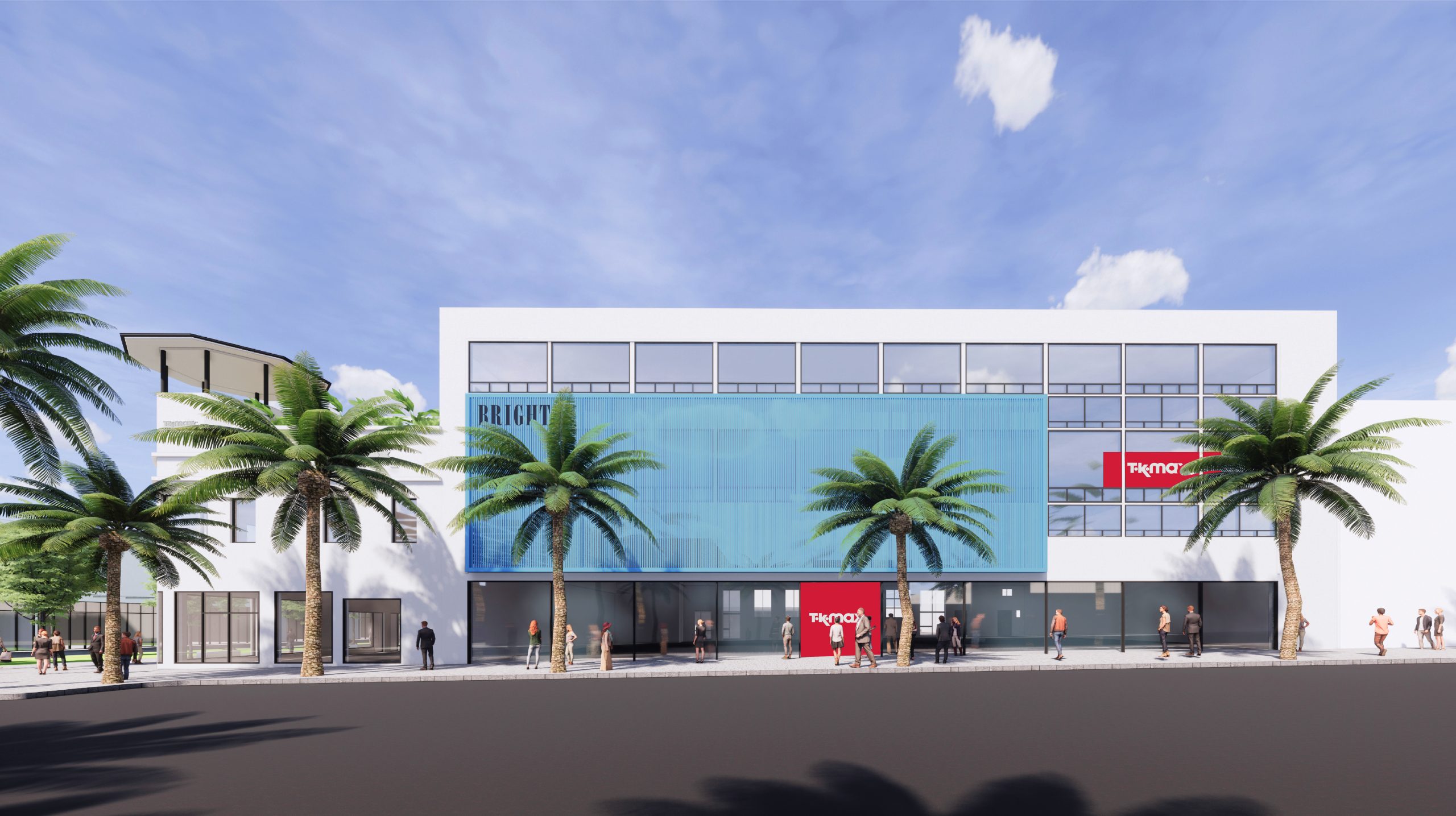
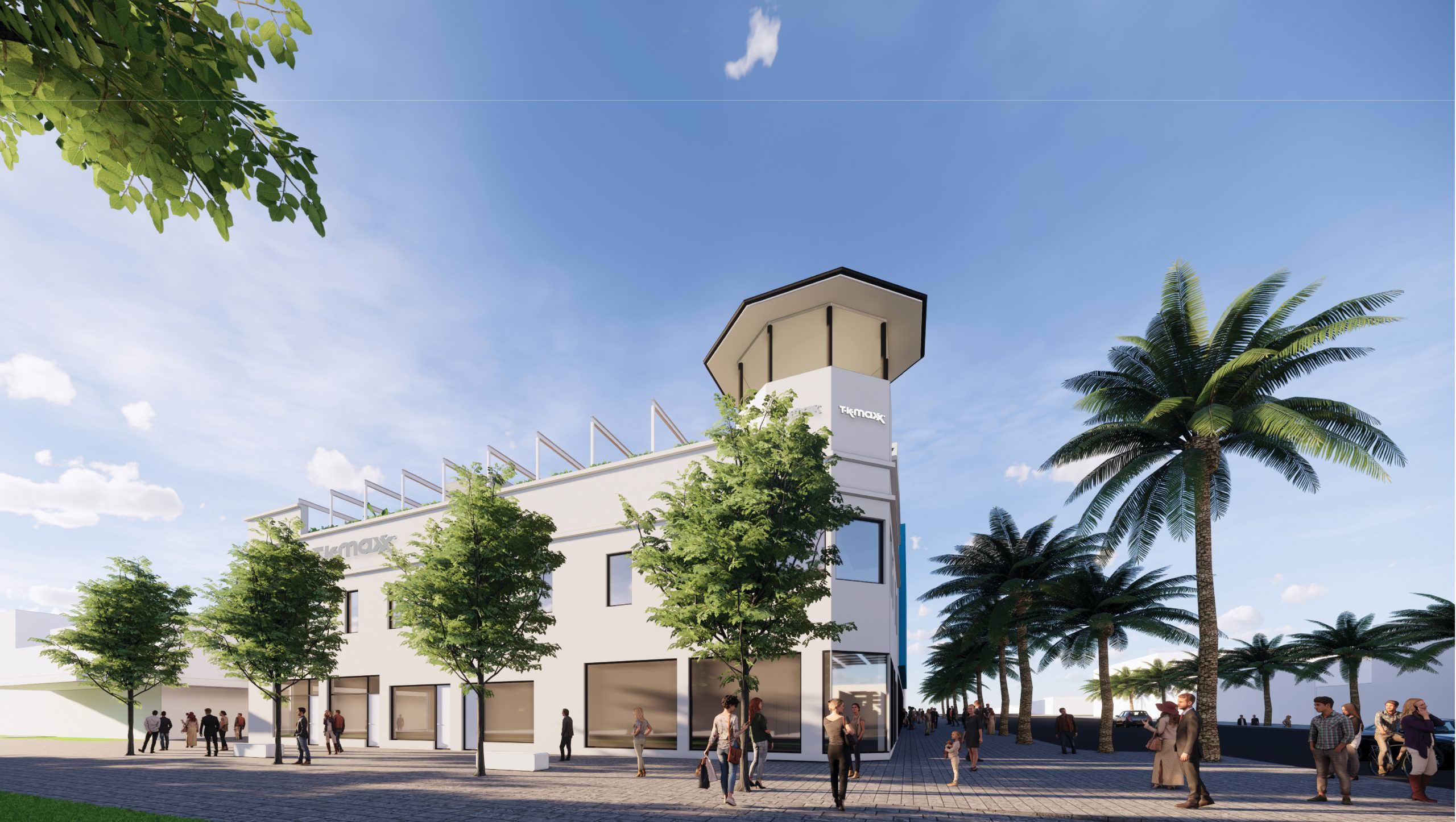
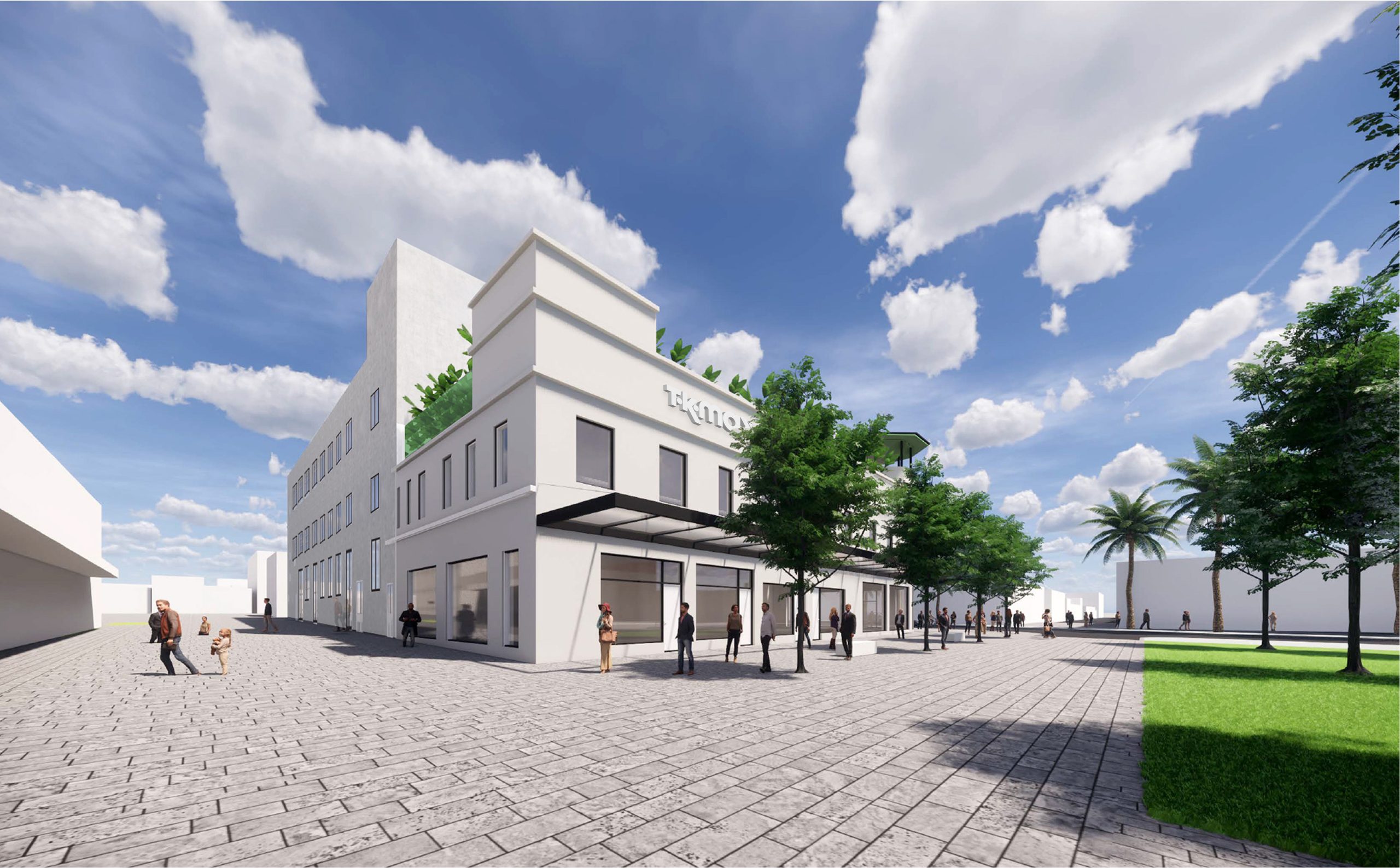
The Regent Theatre is a lost gem of Central Geelong. We’re currently revitalising the site into an inspiring commercial building offering an amazing opportunity for a flagship retail, office or hospitality lease in the Geelong CBD. The building will reclaim its lost pride and fuse a unique history with a new modern facility for your business or organisation.
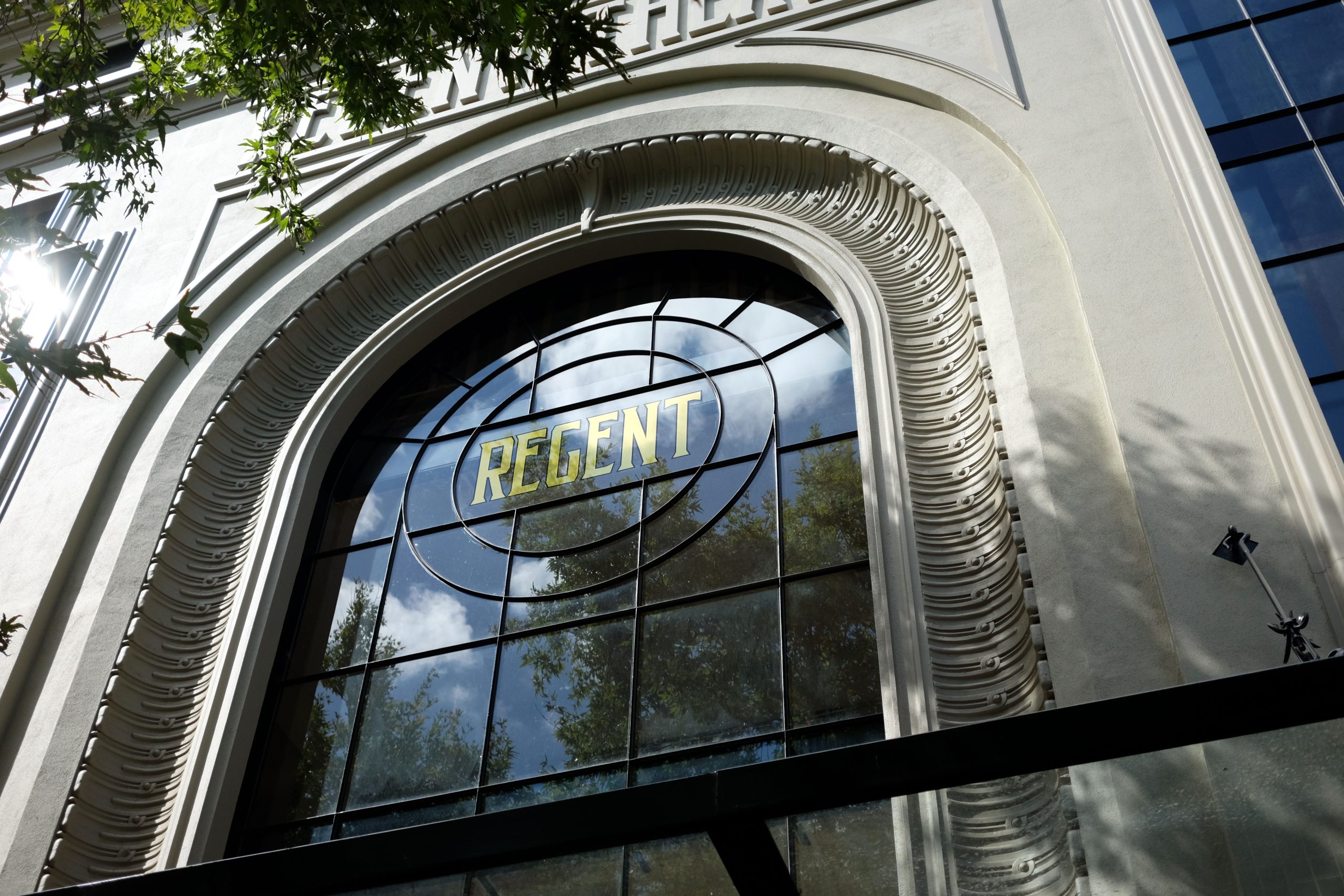
A fully refurbished, high-quality building spanning three levels plus a mezzanine. The works include structural rectification of the existing building, along with extensive renovations and refurbishment throughout—featuring the exposure and restoration of the original façade and the installation of feature windows on both street frontages.
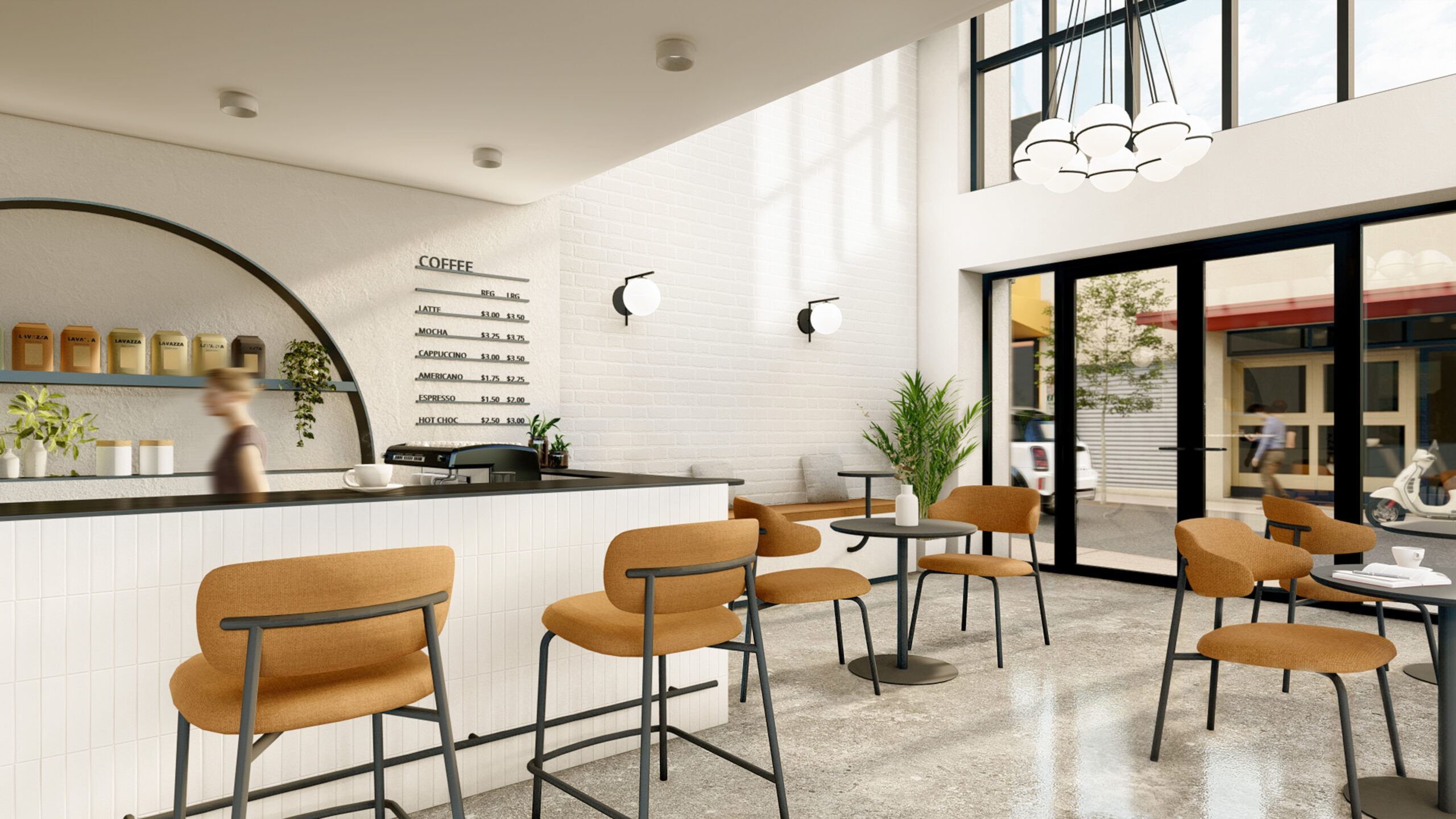
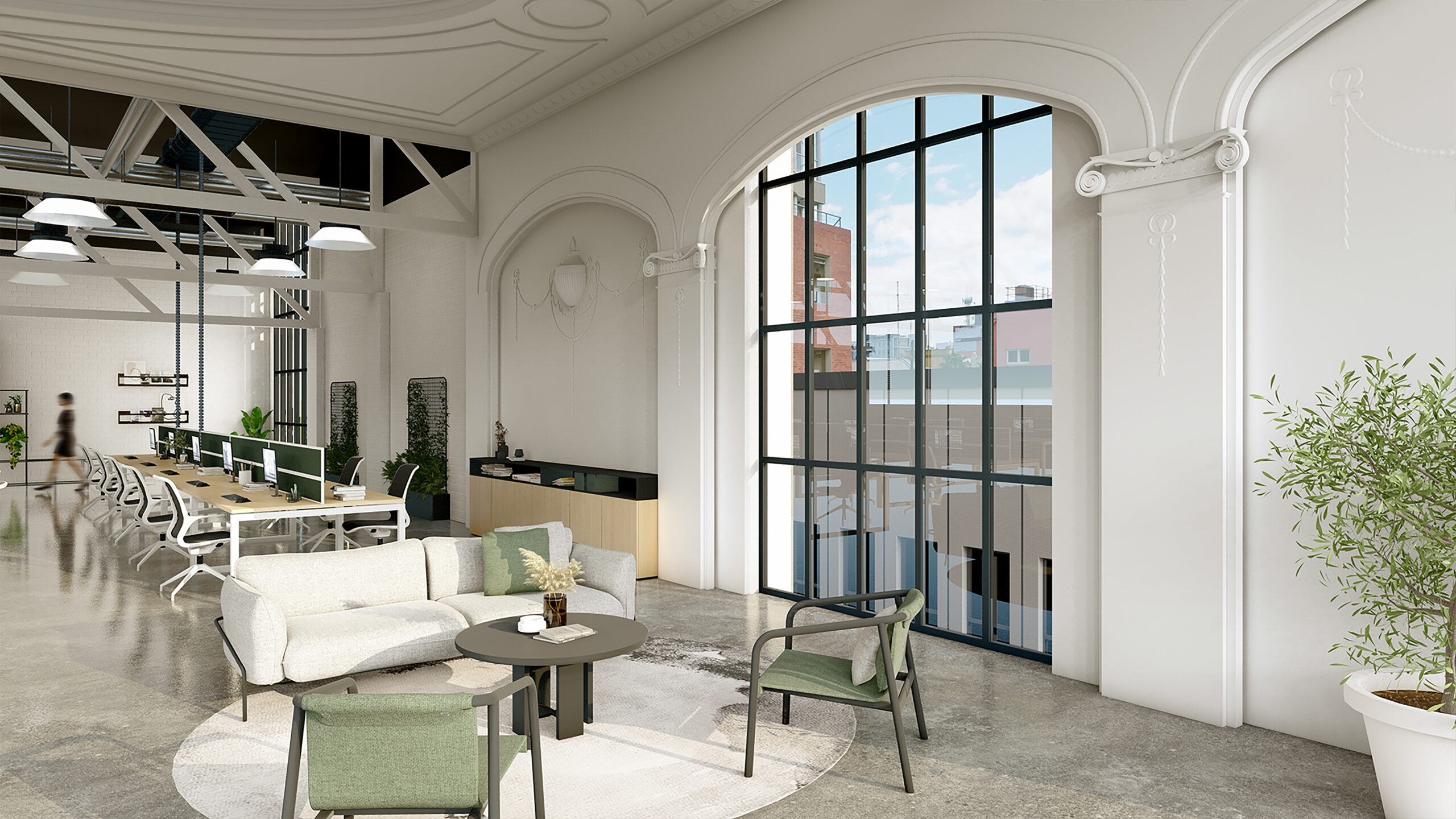


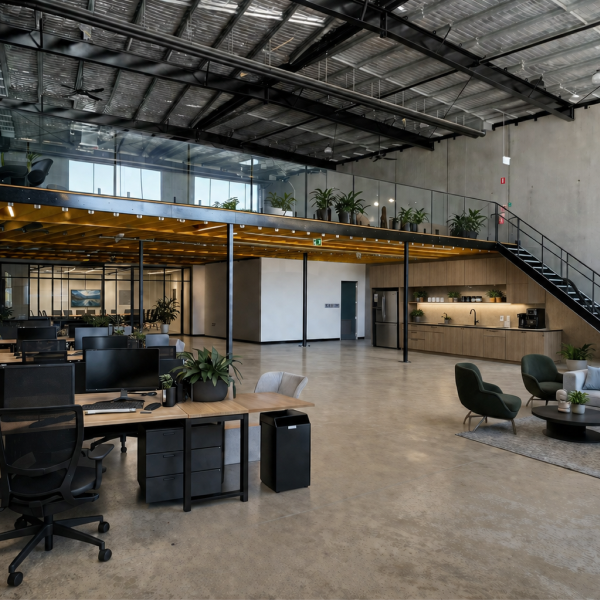
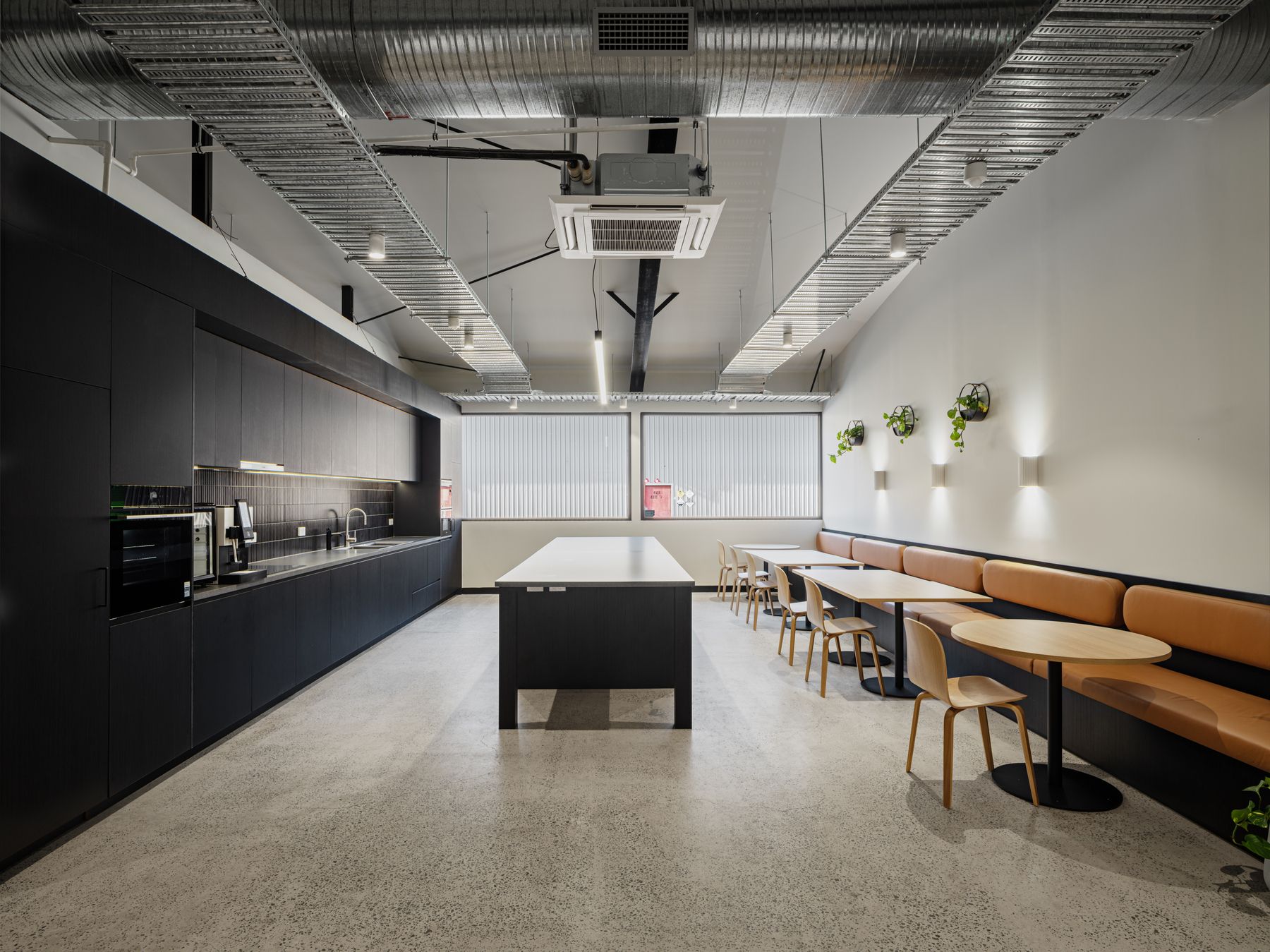
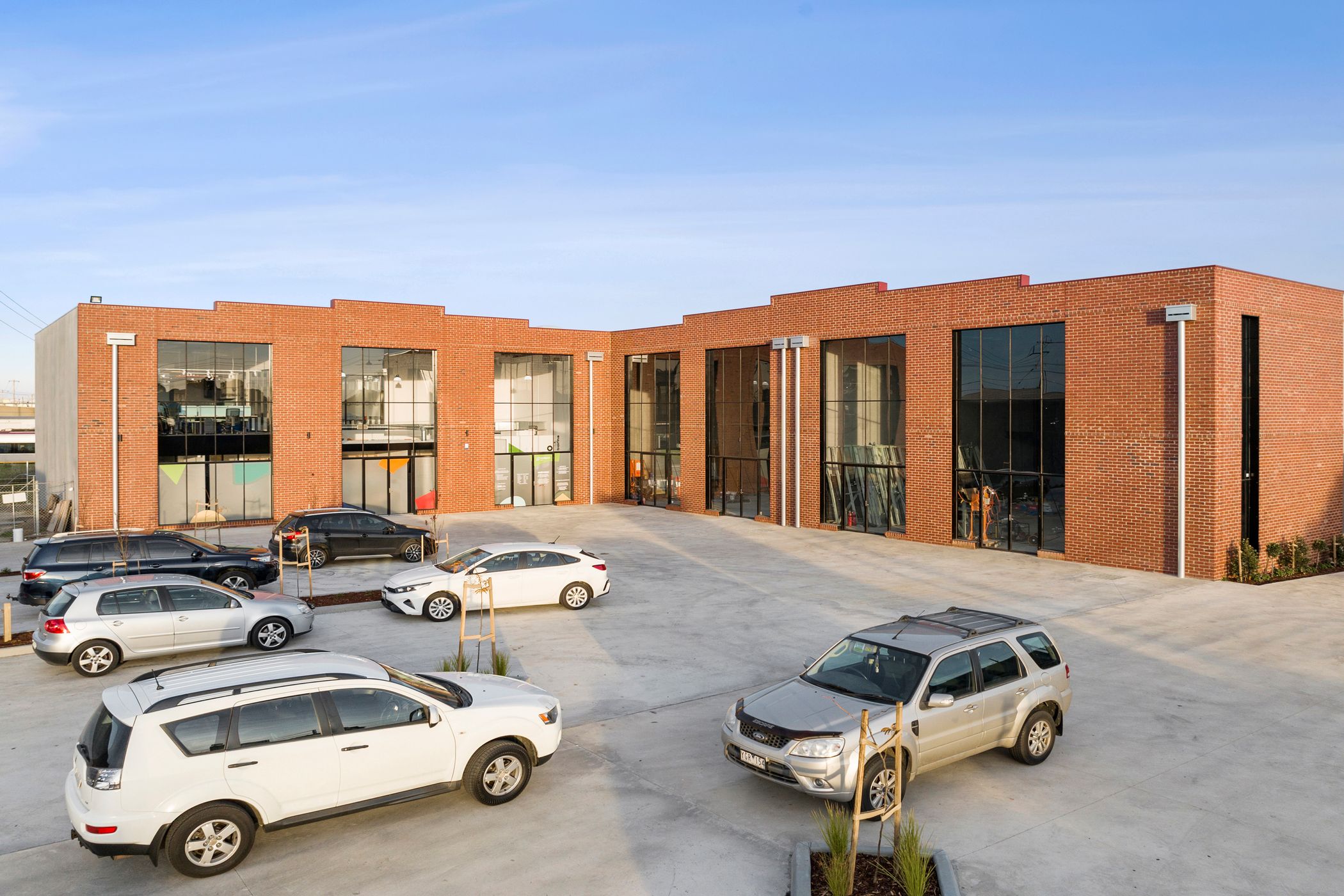
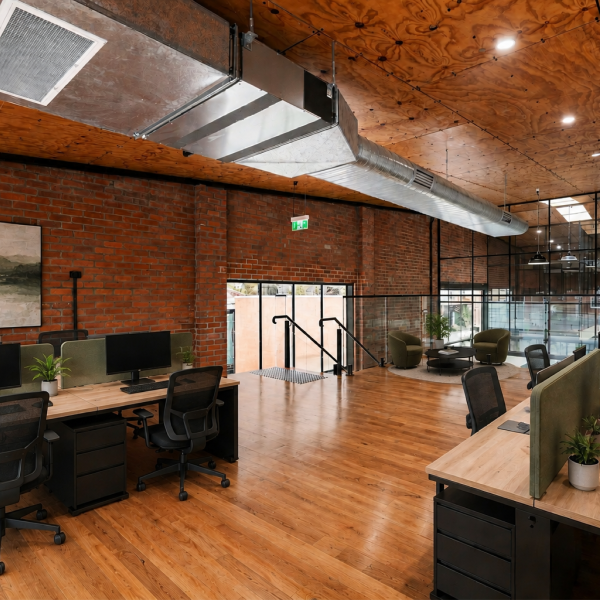
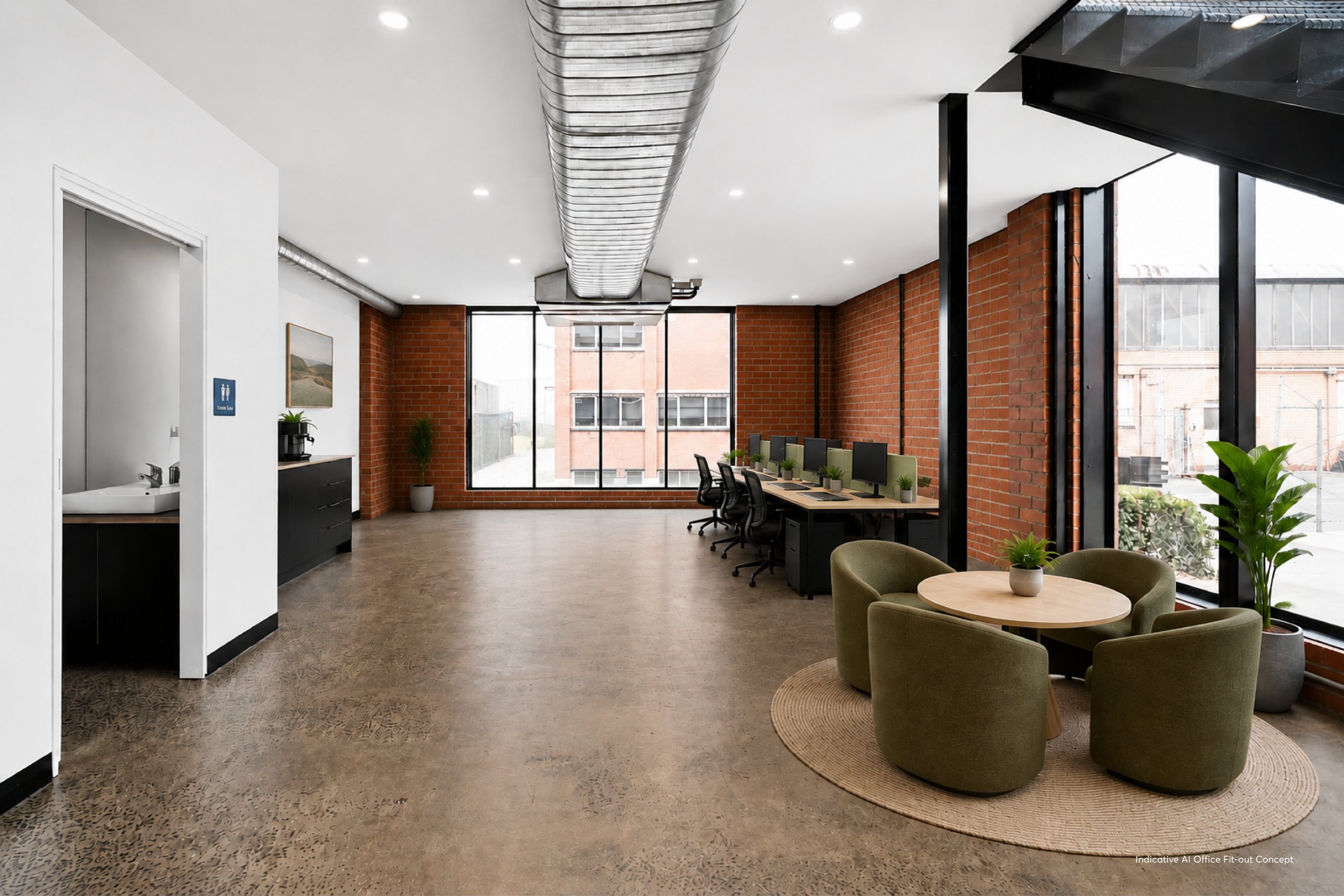
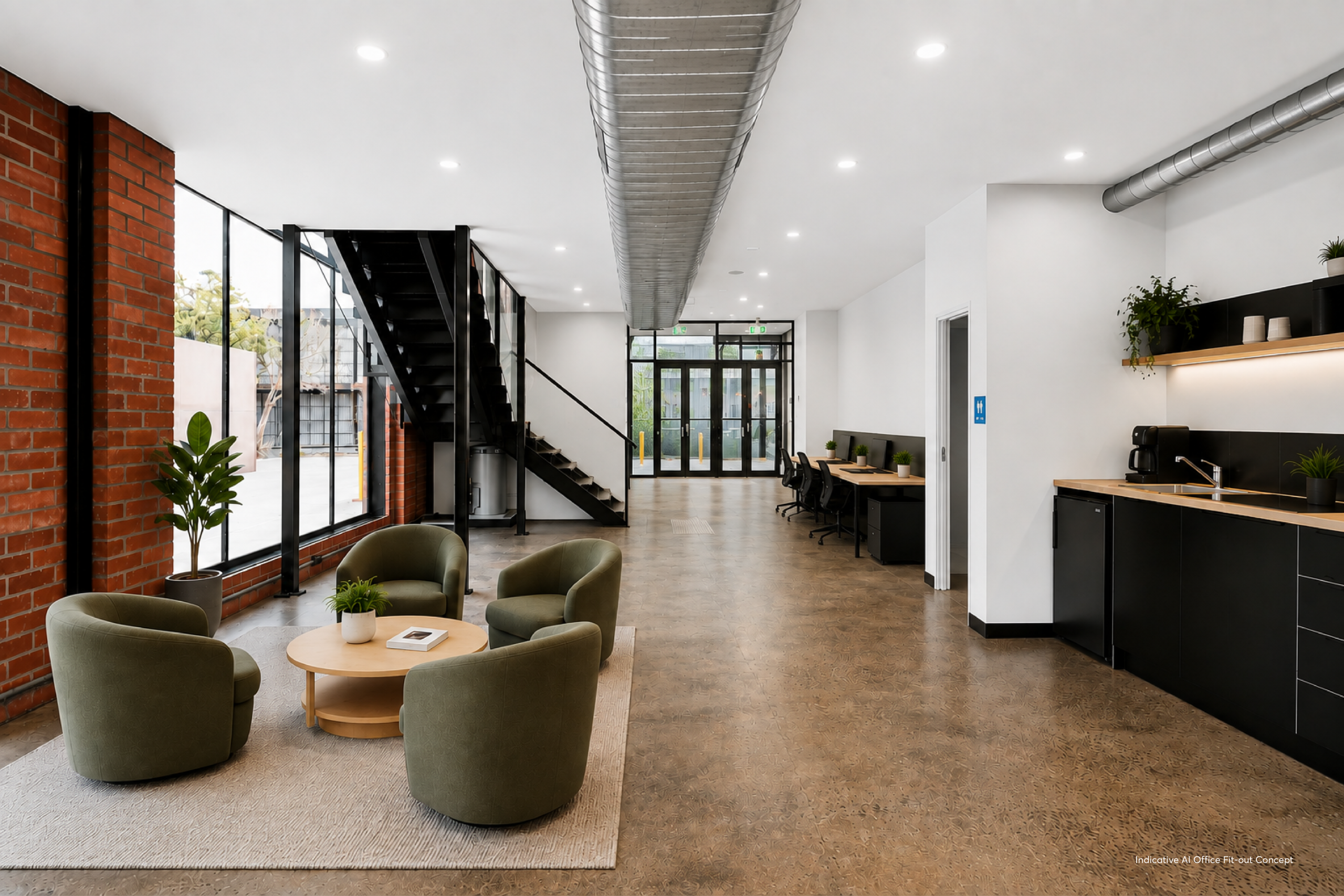
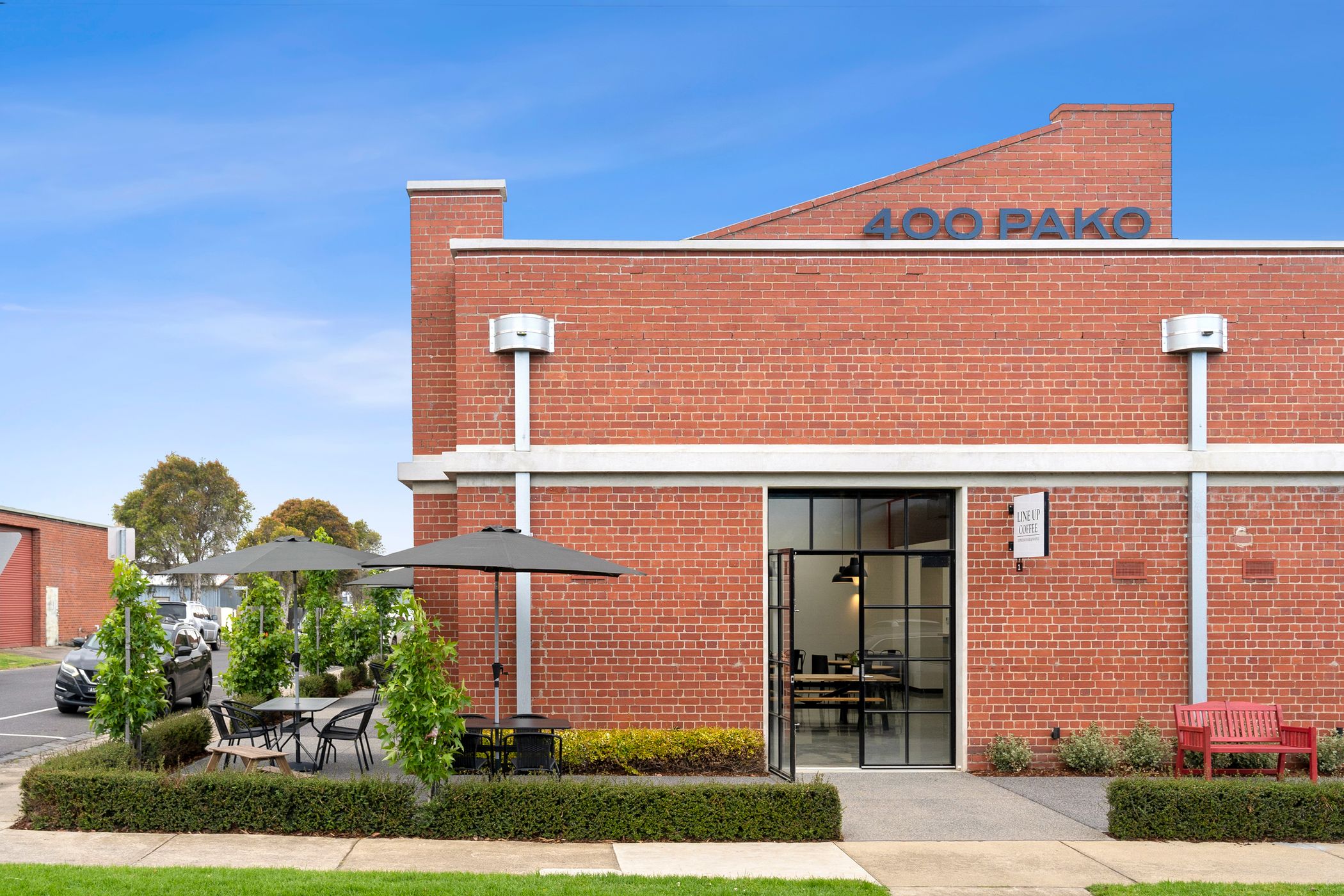
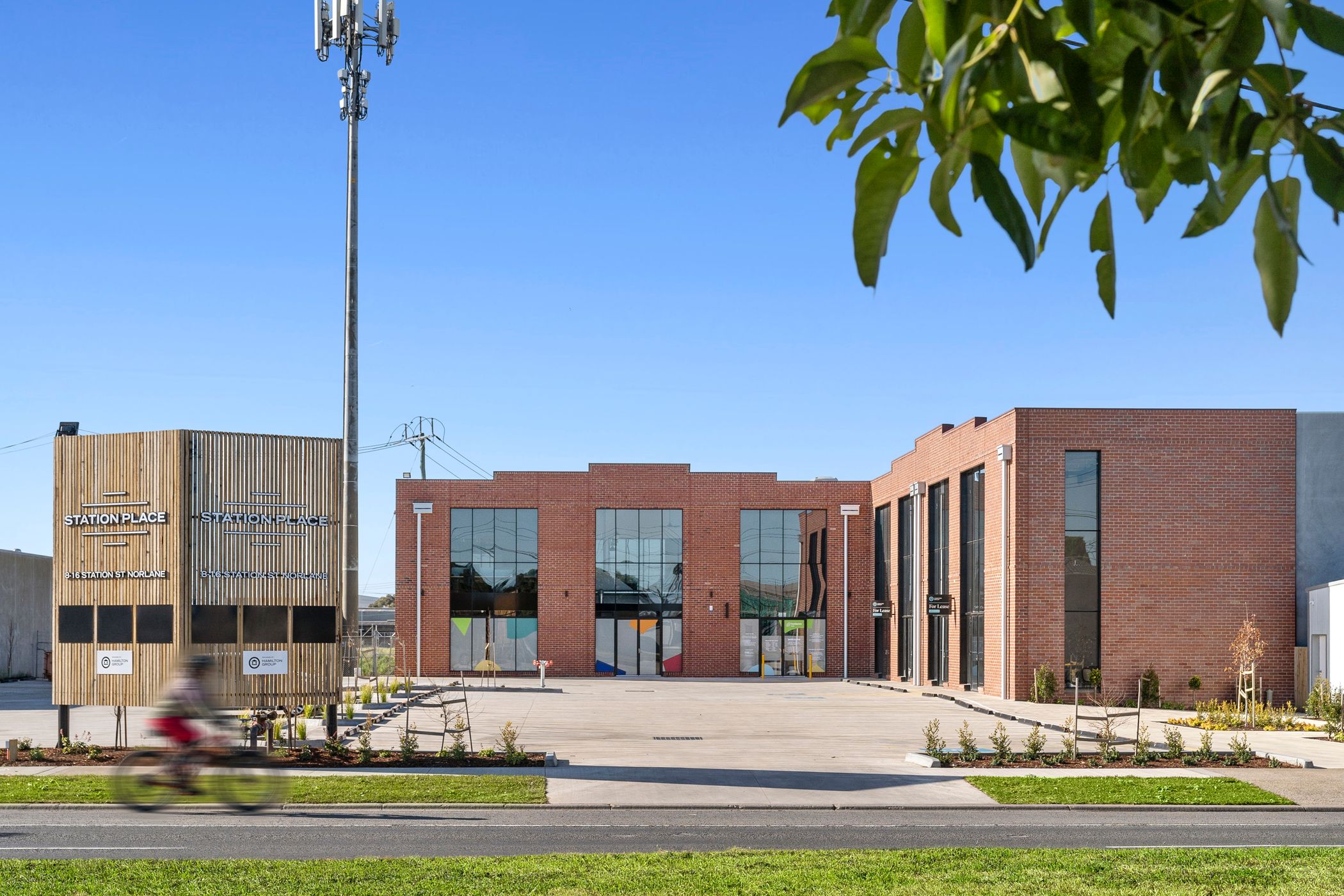
T5 is the larger of the 2 simple & stylish, light-filled tenancies.
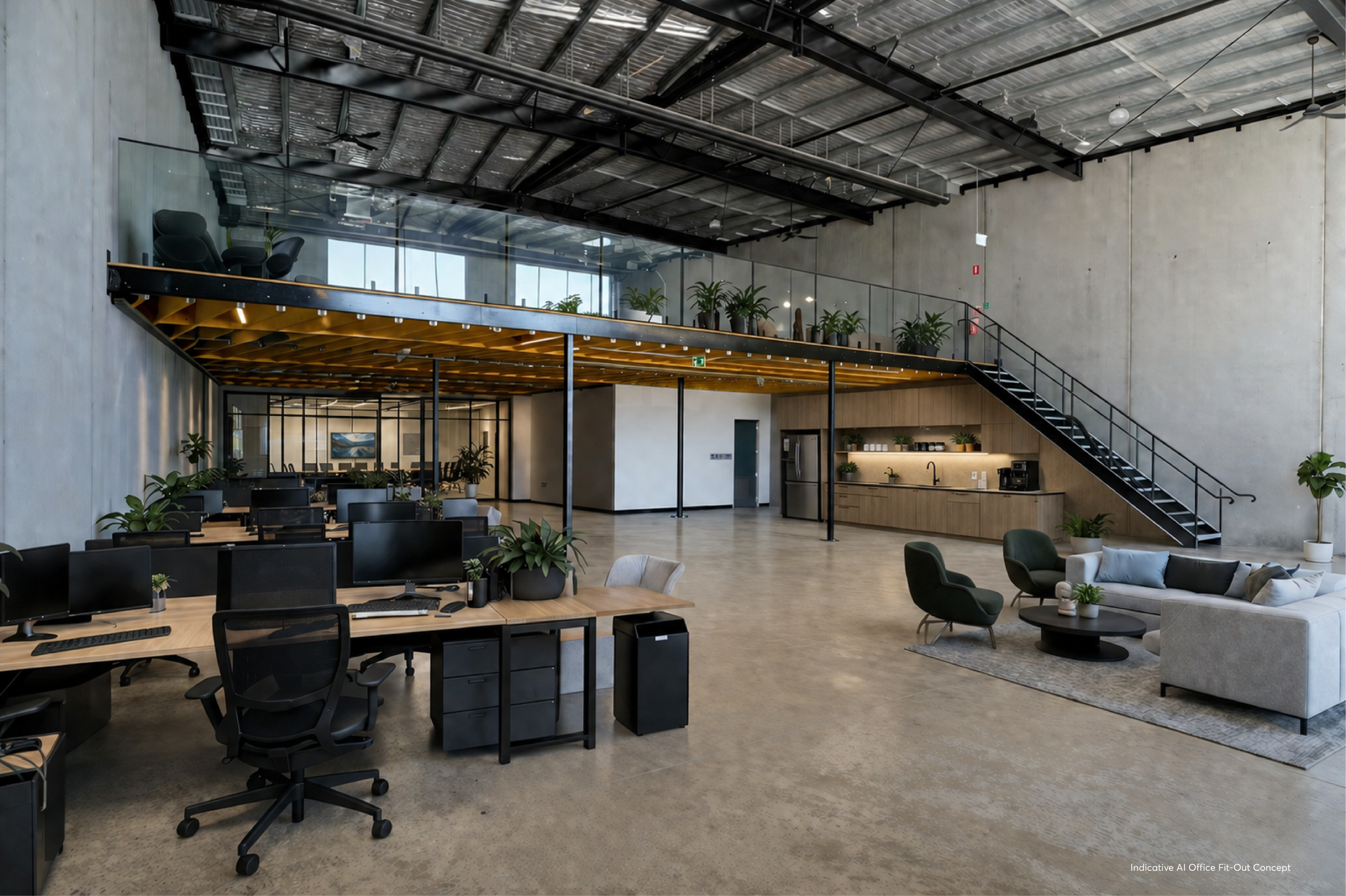
No matter the industry, this space can meet your needs. With plentiful free parking and current basebuild status which offers you full control of your fit out, opportunities like this are rare.
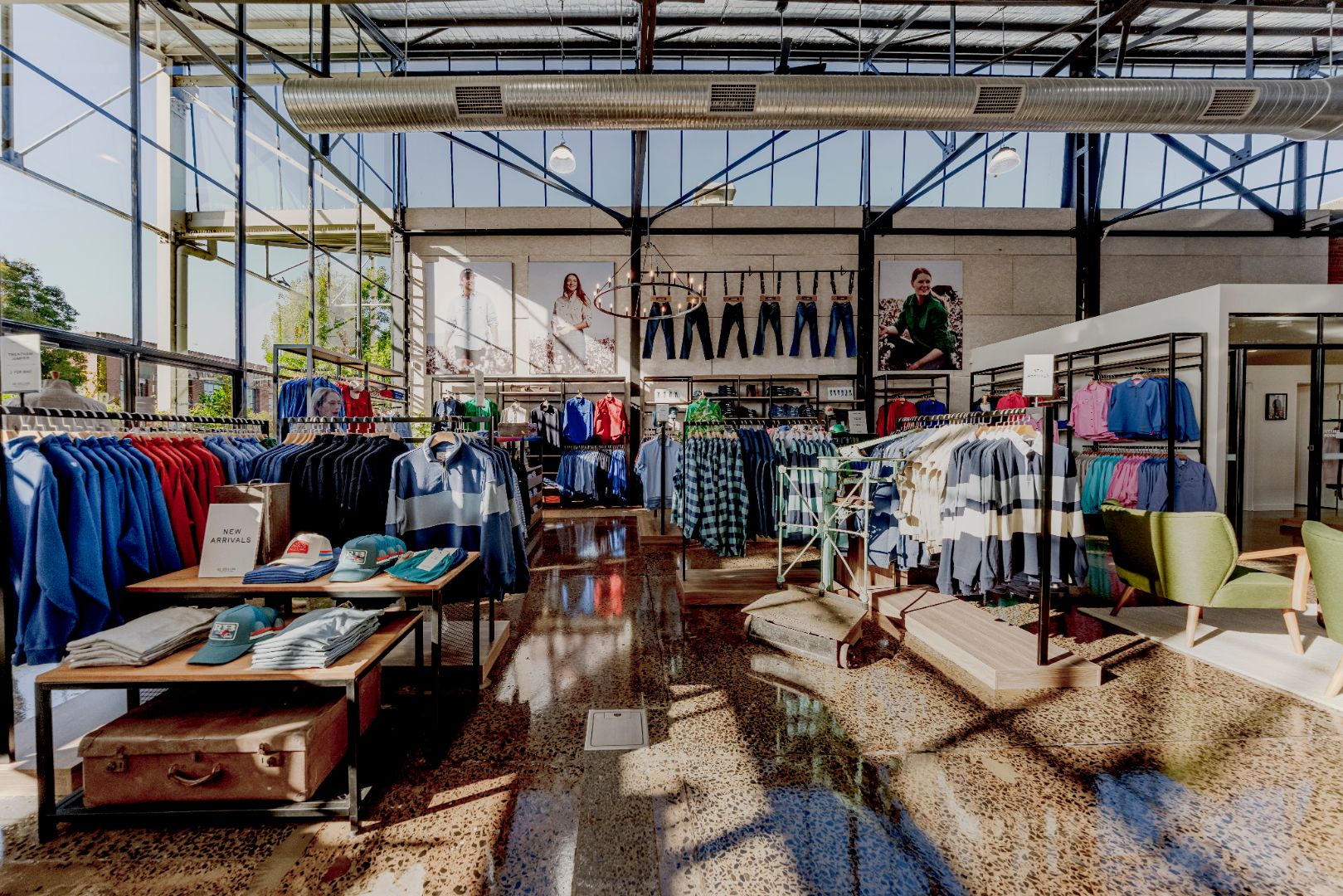
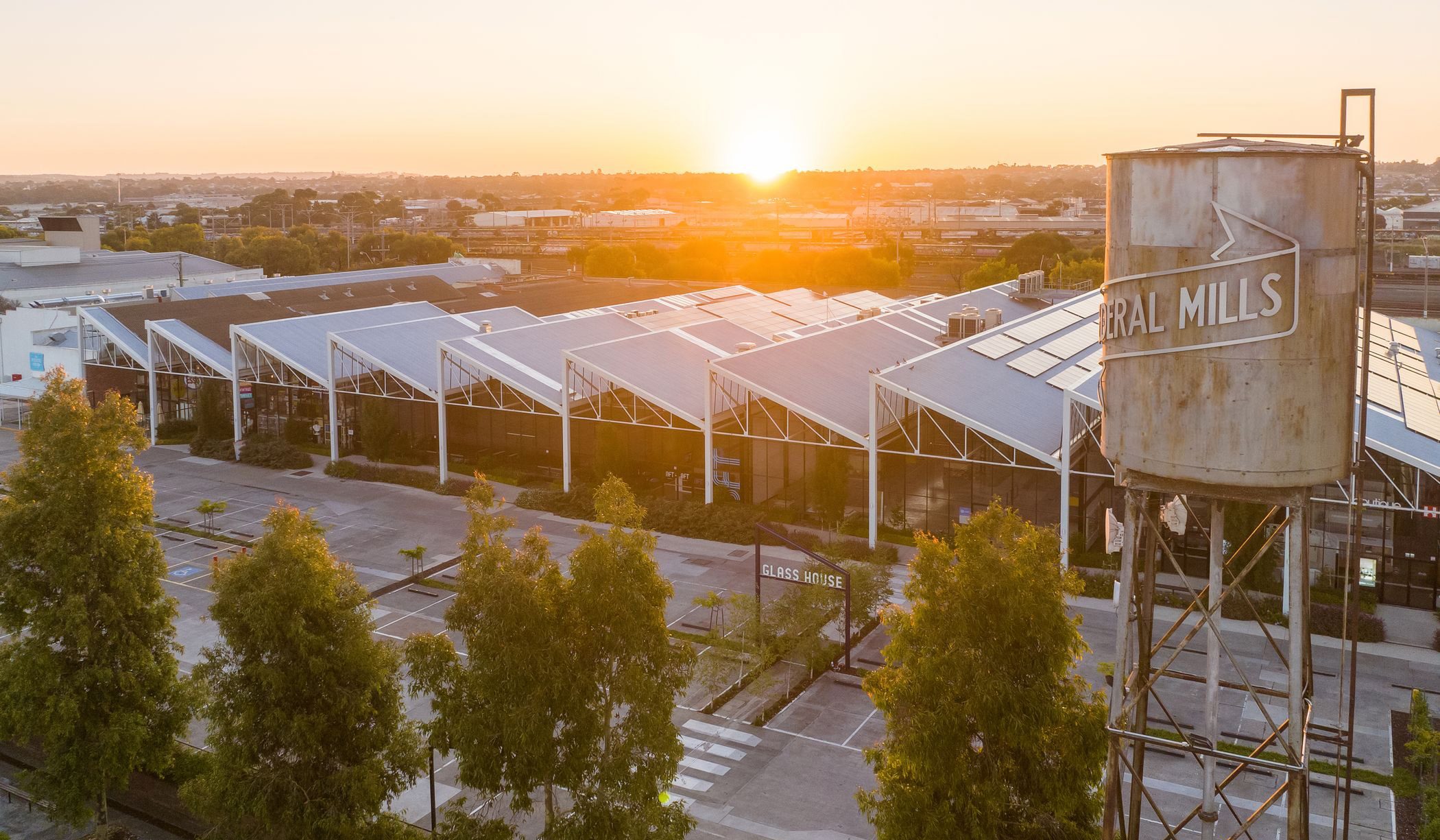
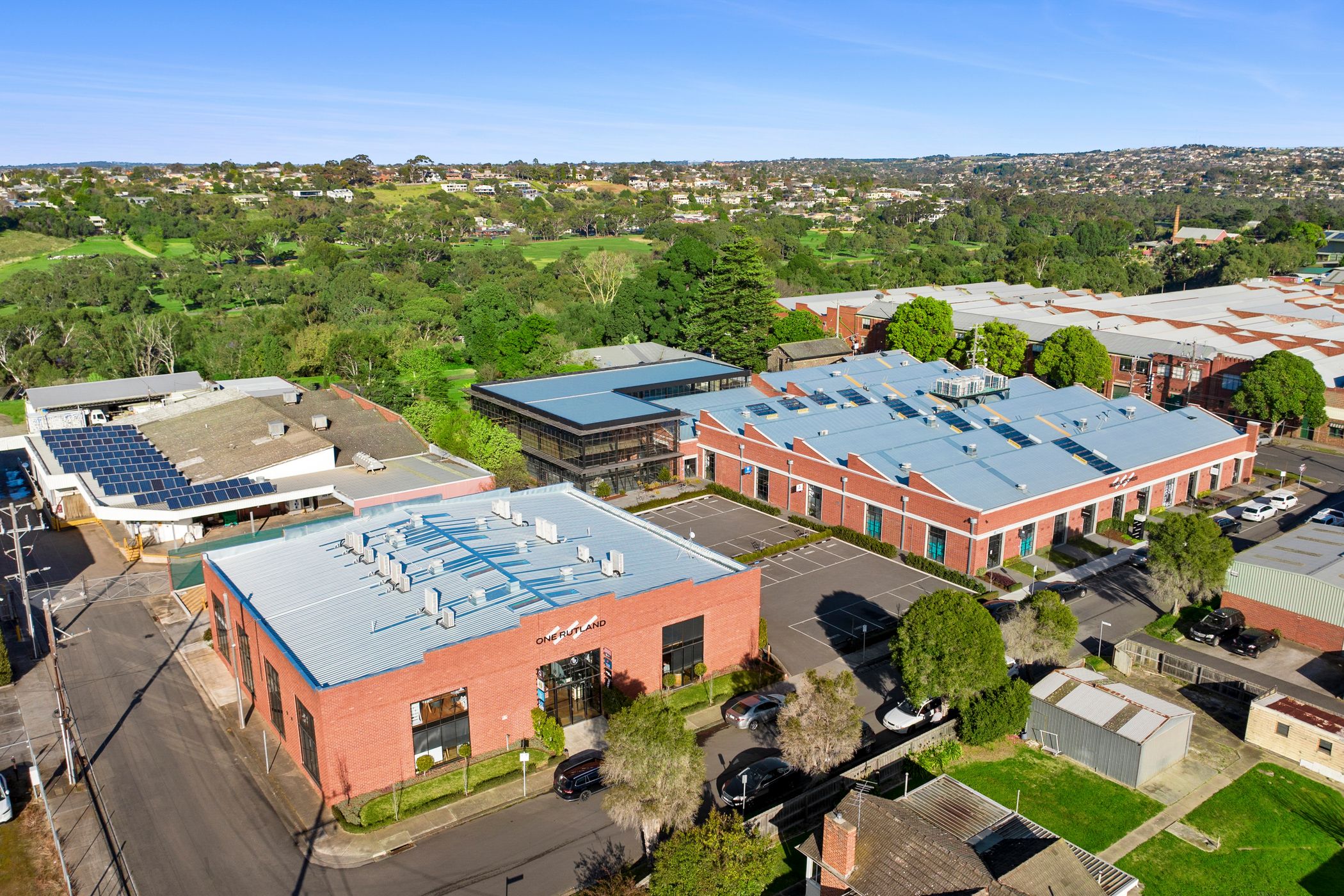
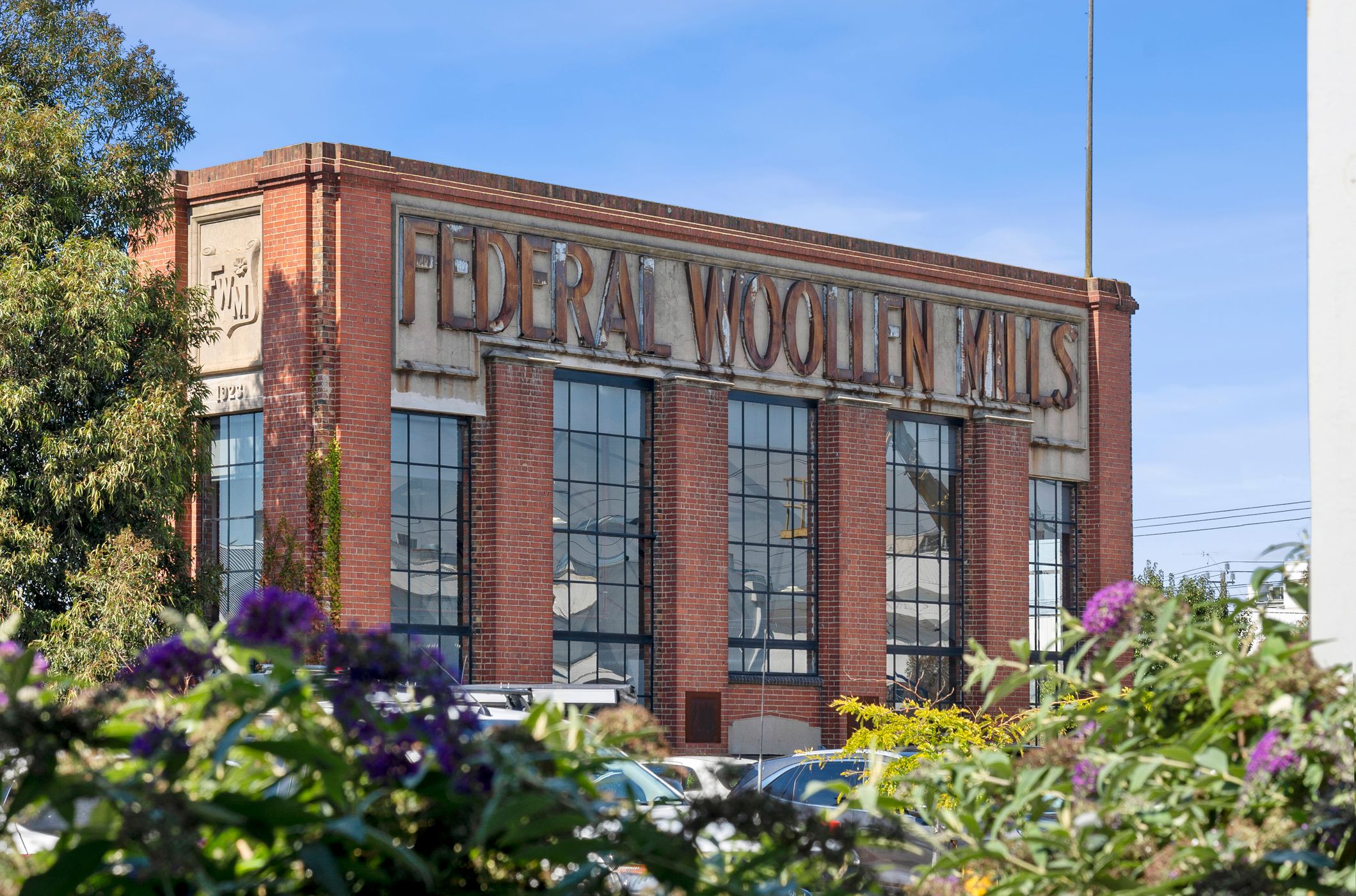
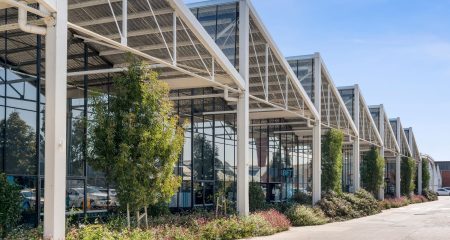
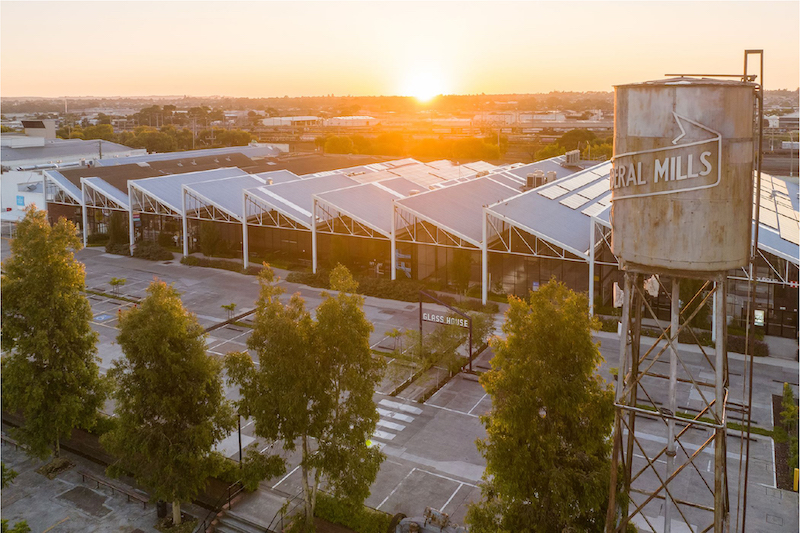
Designed by the award-winning developers of nearby Federal Mills, the modern industrial aesthetic of this precinct is as inspiring as you’d expect, and flooded with natural light.
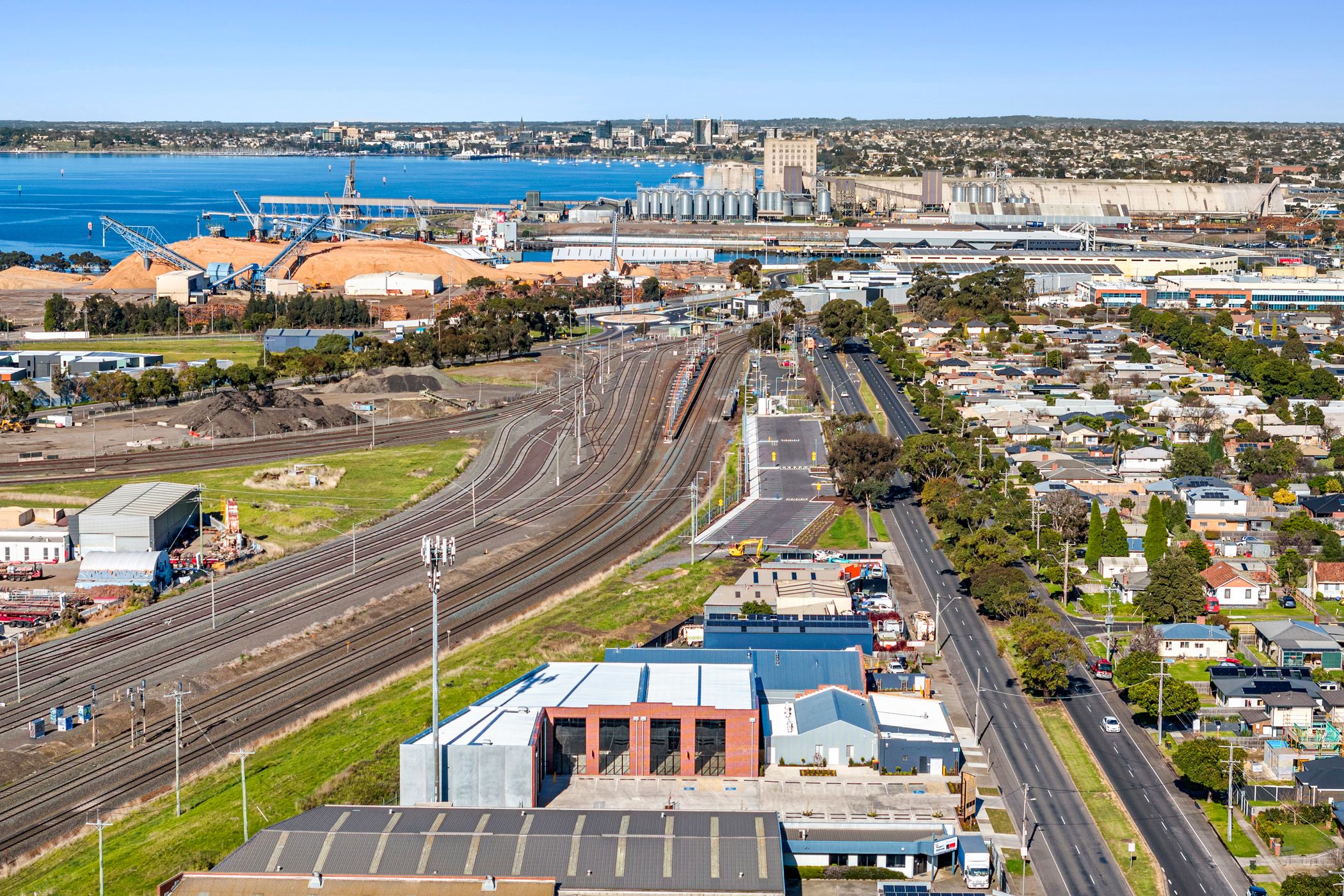
You’ll enjoy convenient access to Melbourne via the Princes highway, and easy links to North Shore rail, Spirit of Tasmania port and the inherent immersion with the community of Geelong’s North.
It’s an opportunity waiting to be seized upon.
A revitalisation of Central Geelong.
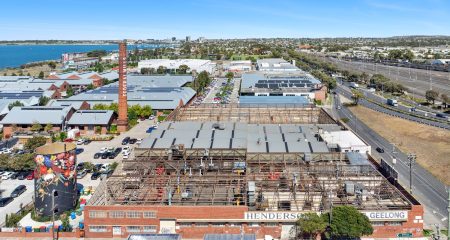
Bright & Hitchcocks first opened on this site in 1855, and by 1926, it had become the largest department store in Regional Victoria. A constantly evolving icon of central Geelong for generations, we’re now working to continue its transformation and help revitalize the area.
In 2025, we’ll be offering flagship spaces ranging from 112sqm to 1,360sqm, catering to a variety of industries. It’s an exciting time for Geelong’s CBD!
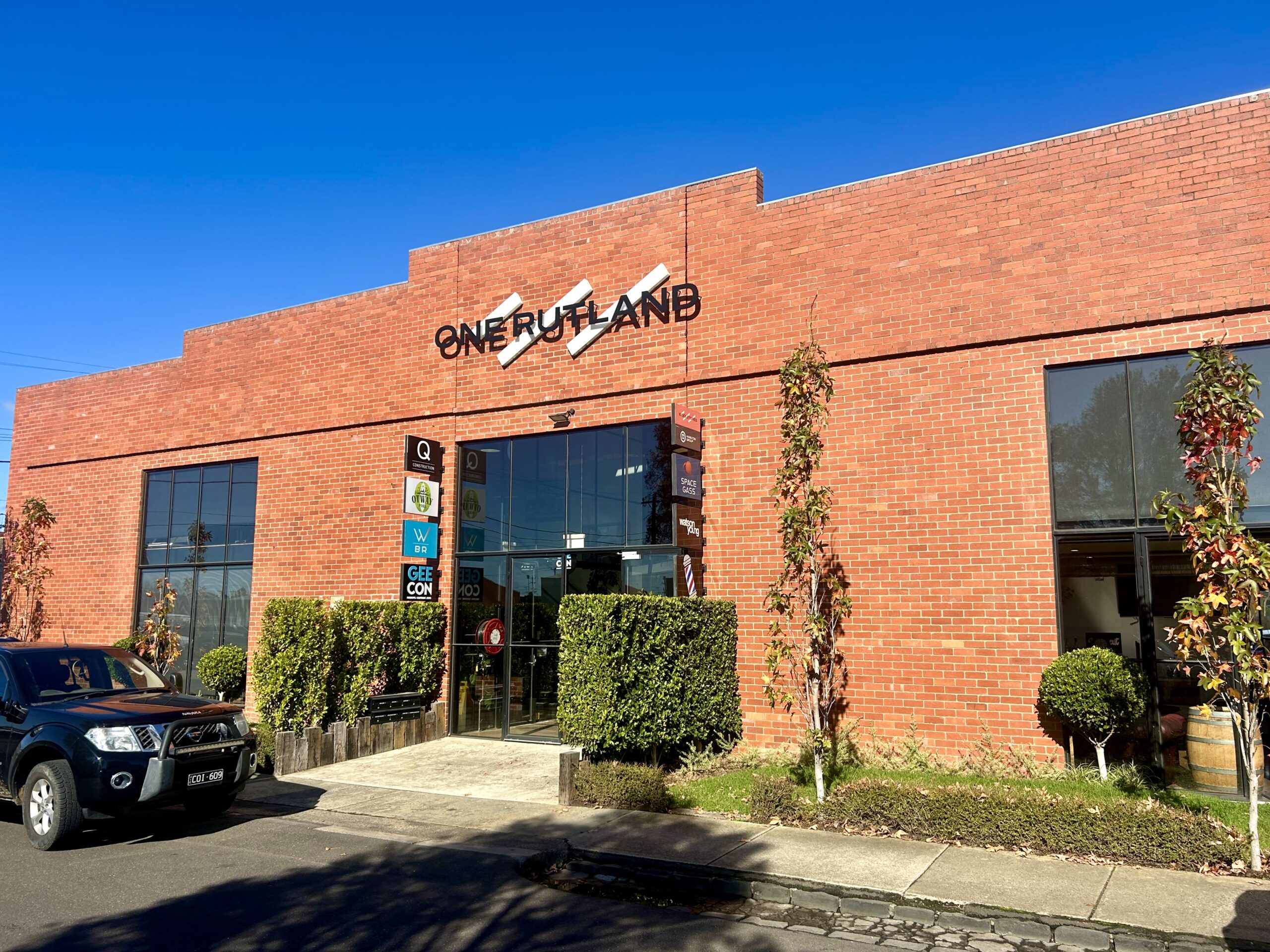
Rare Opportunity to Occupy One Rutland.
With only limited tenancies in this stylish property, it is not often one becomes available.
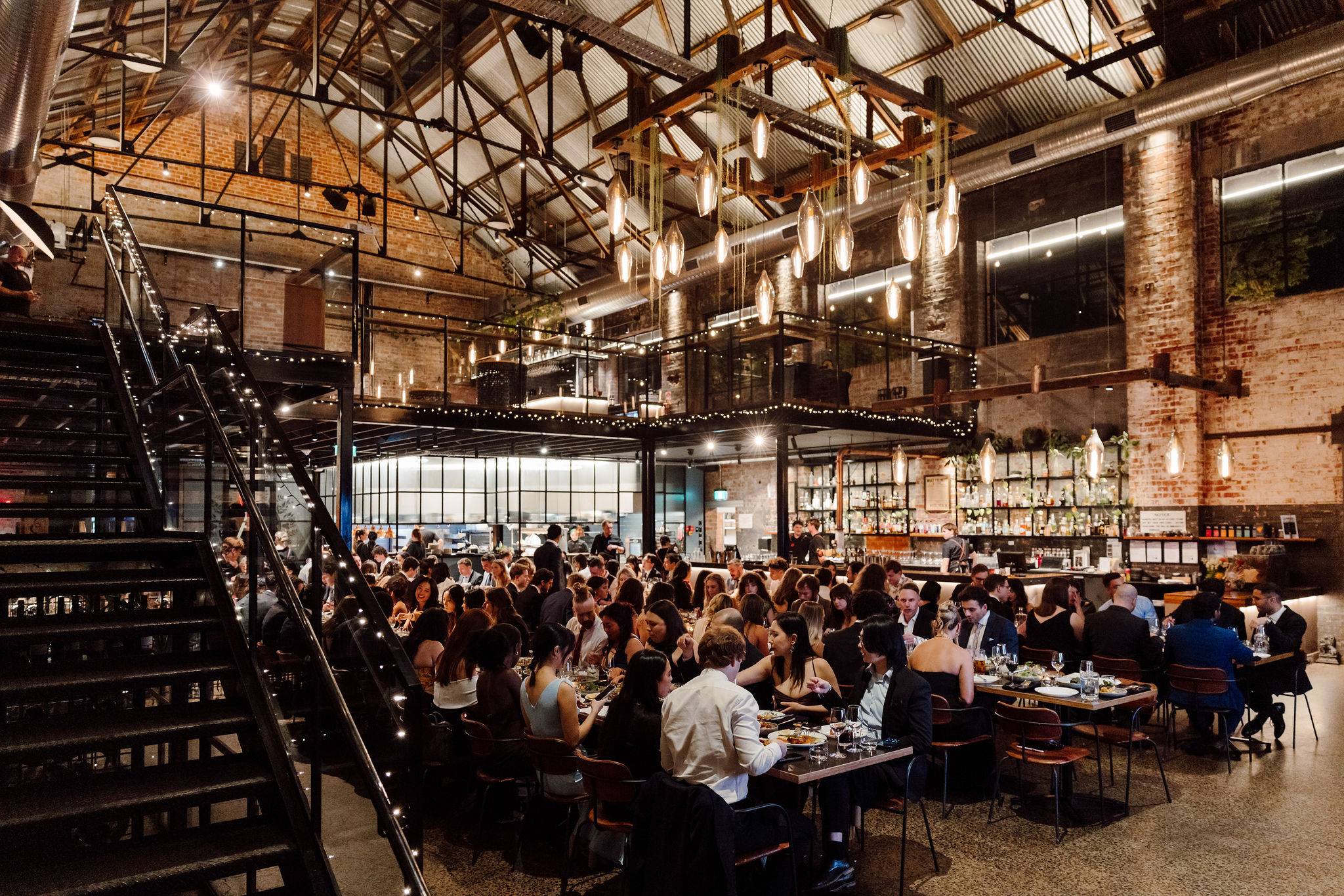
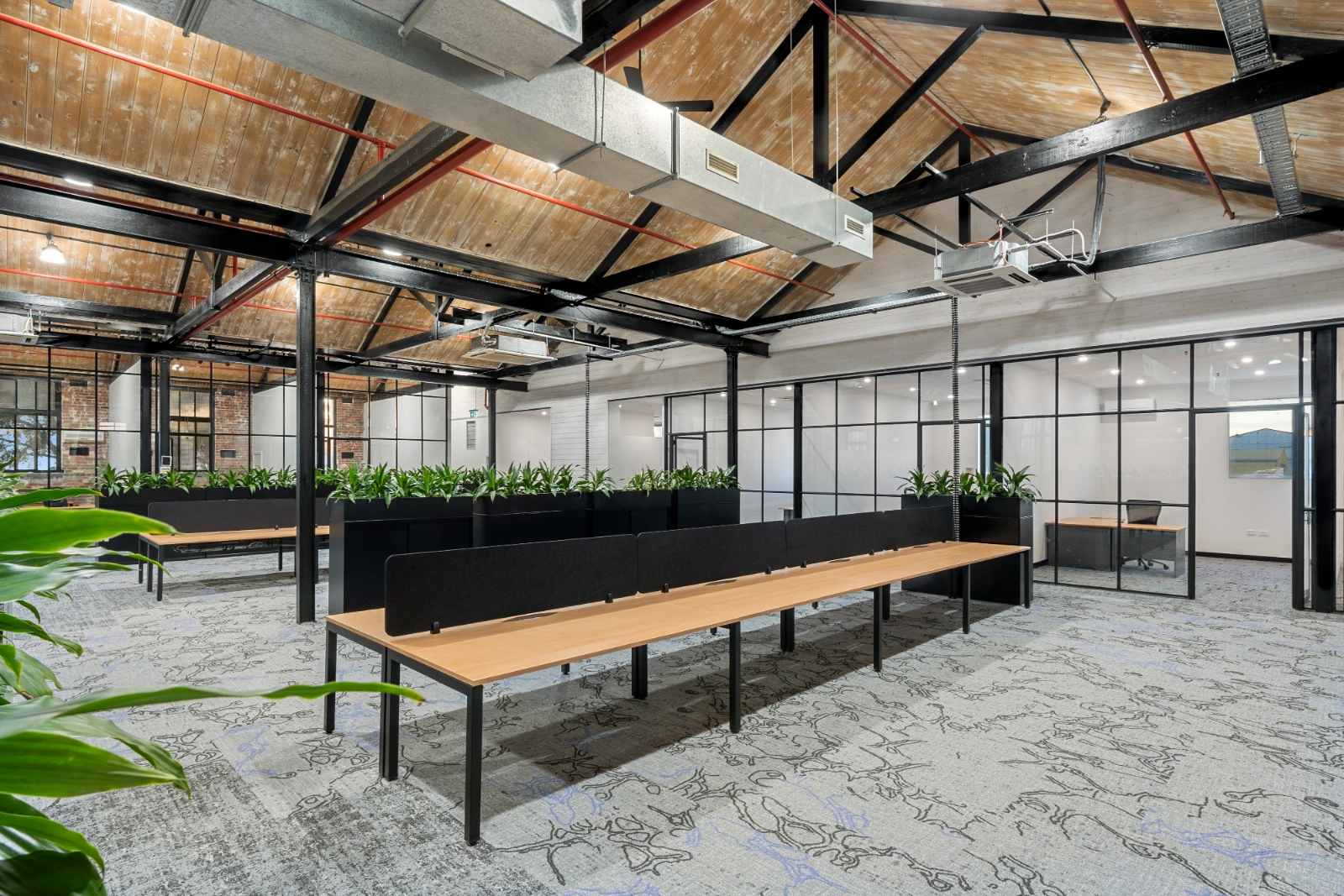
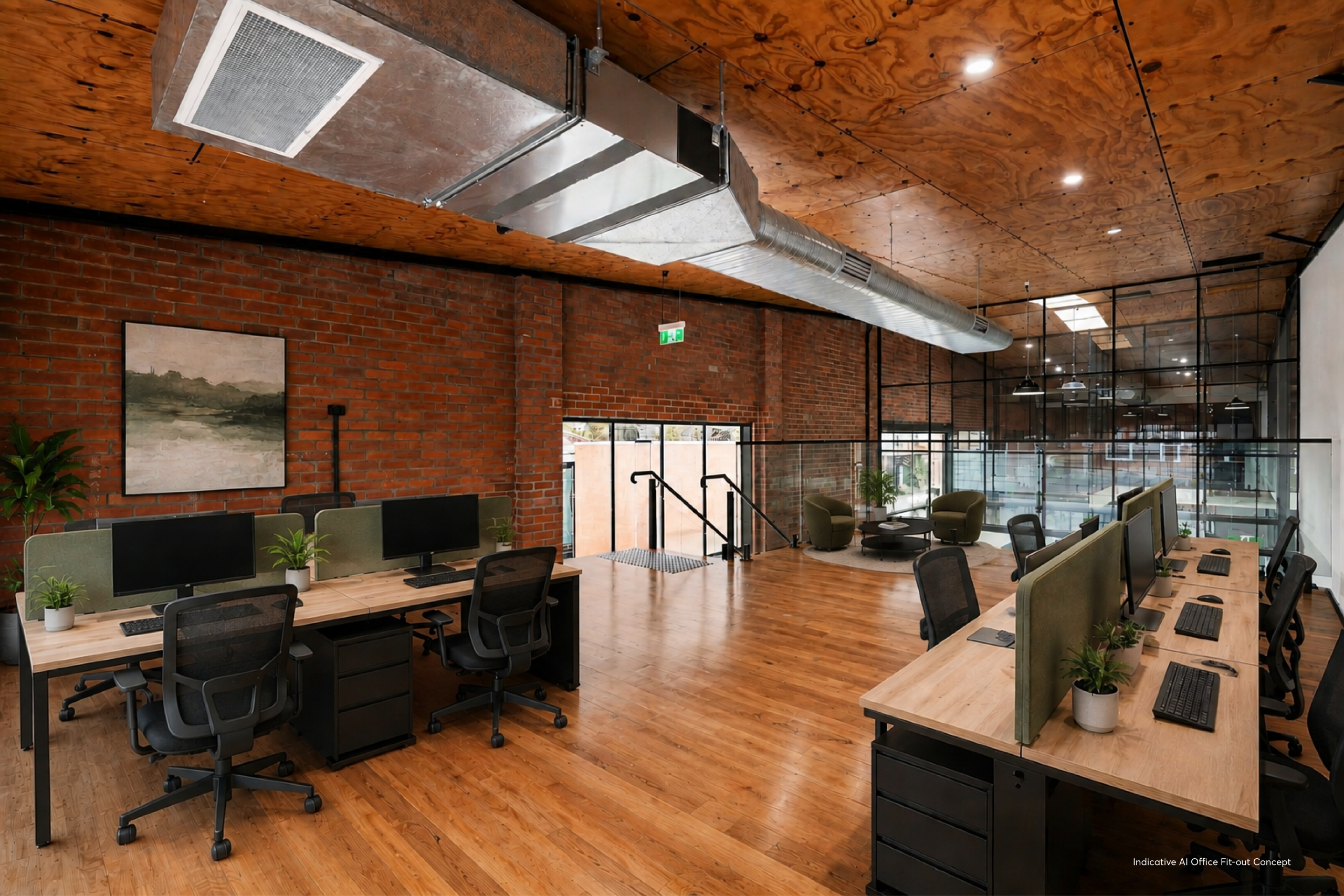
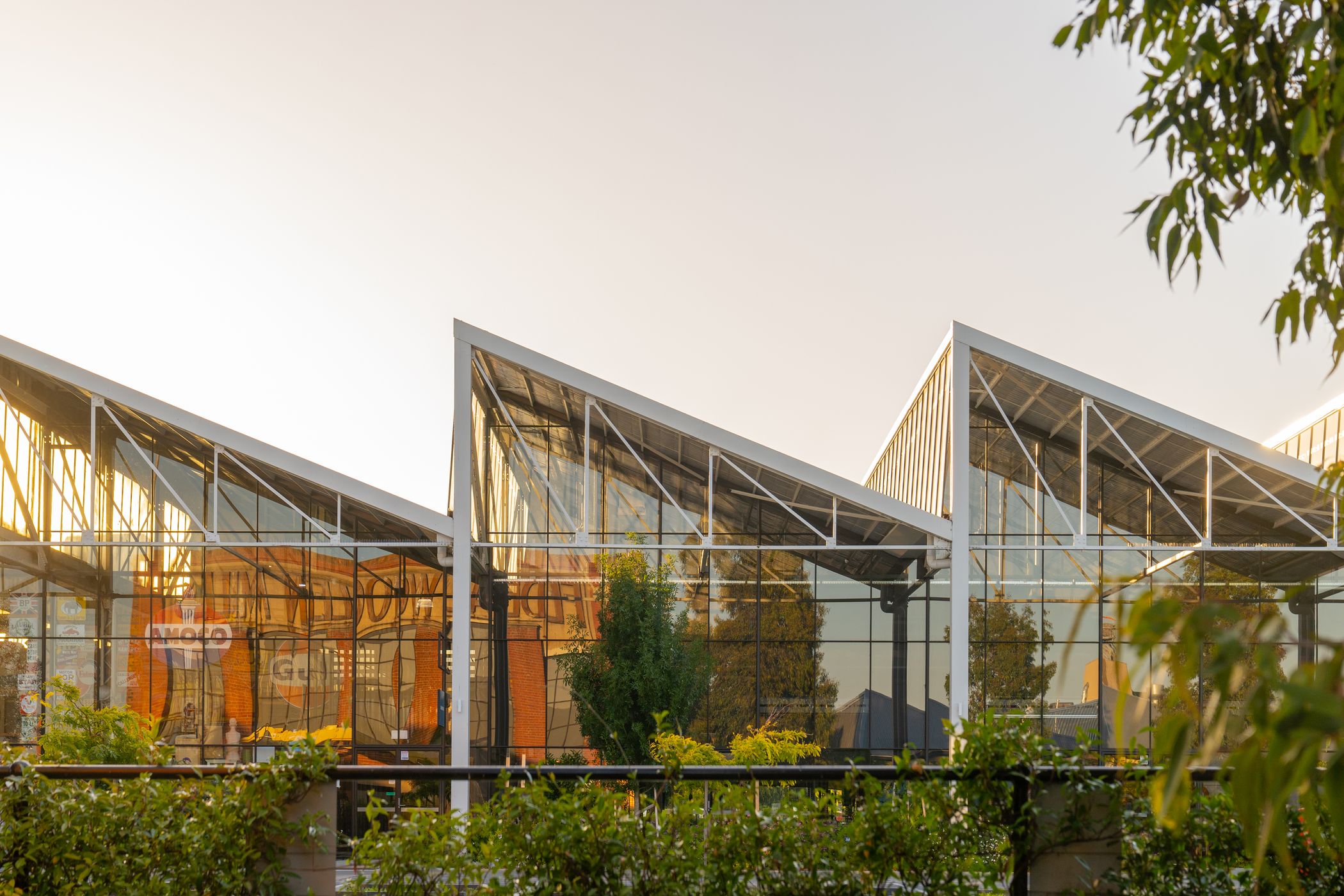
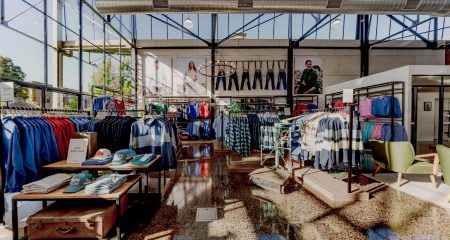
Perfect for nearly all business types, the light-filled industrial space with mezzanine, is both creative and practical. You will have access to 1 off street car park within the Woolstores precinct, and access to the full amenities of the Woolstores precinct – including the exciting new hospitality hot-spot everyone is talking about: Woolstore Restaurant and Bar.


LET’S GET STARTED:
"*" indicates required fields